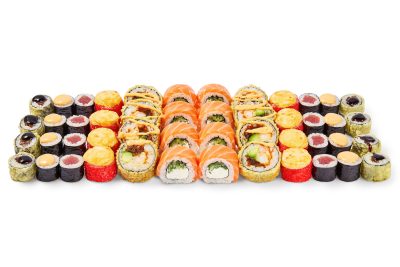

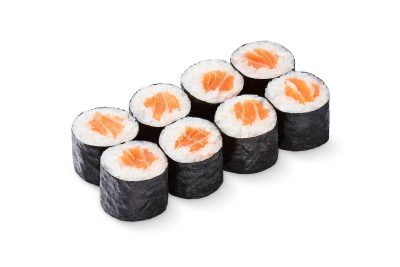





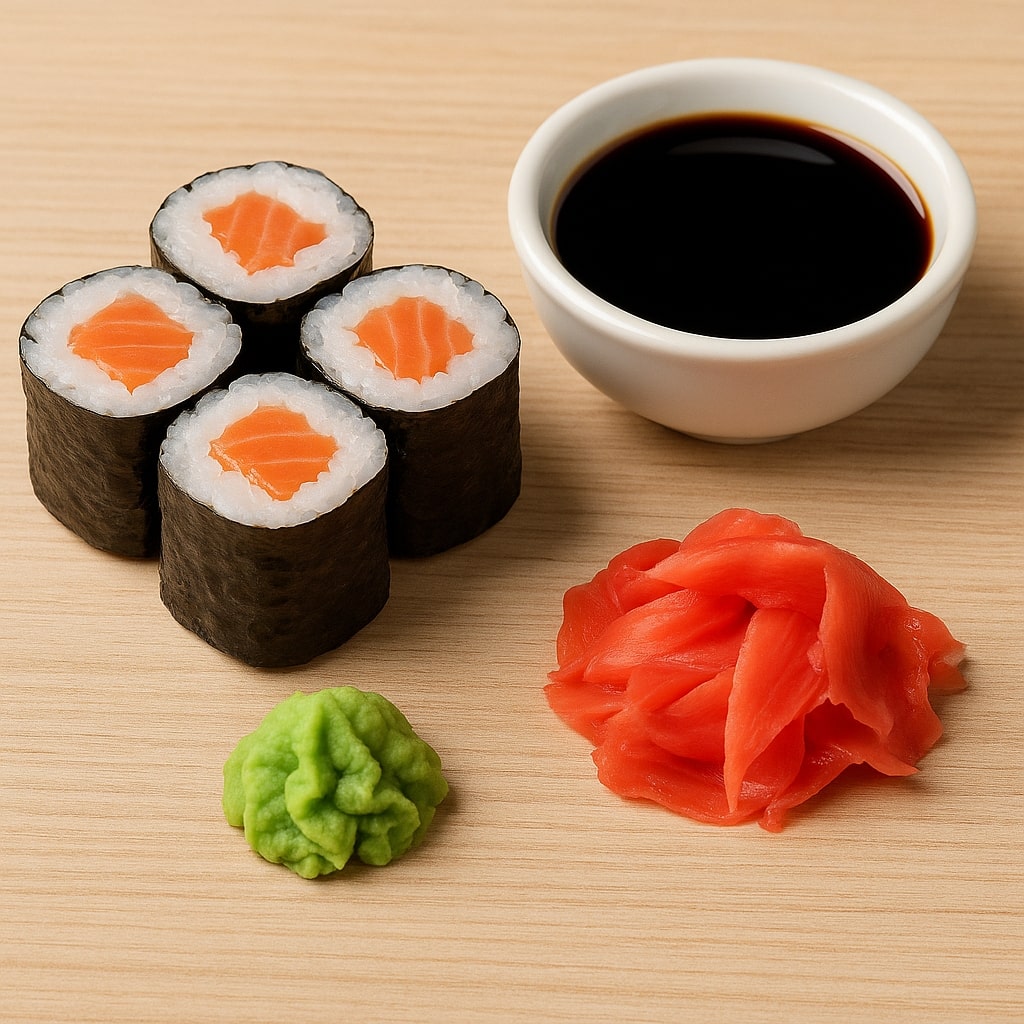
When we talk about sushi, not only rolls with tender fish immediately come to mind, but also traditional additions – soy sauce, wasabi and pickled ginger. This is a real gastronomic “trinity” that forms the full taste of Japanese cuisine. Each of these components has its own history, benefits and rules of combination.
In the modern world, sushi has become incredibly popular, especially in Europe. Sushi in Wrocław is not only about the variety of rolls, but also about the correct presentation of seasonings that help reveal the depth of the dish’s flavor.
Soy sauce is a classic of Japanese cuisine

Soy sauce is a condiment that has become a symbol of Japanese cuisine, although its history began in China over 2,000 years ago. It came to Japan in the 7th century, where the recipe was improved and adapted to local tastes. Since then, soy sauce has become more than just a condiment, but an important part of Japanese gastronomic culture.
What is soy sauce made from?
Classic soy sauce is made through natural fermentation, a process that takes several months, sometimes up to three years:
- Main ingredients: soybeans, wheat, salt and water.
- Preparation: The beans are boiled, and the wheat is roasted and ground.
- Adding a “koi” culture (a special mold): the mixture is left to ferment, where the proteins and starch are broken down.
- Fermentation: usually lasts from several months to several years in wooden barrels.
- Pressing and pasteurization: after ripening, the mixture is squeezed, the resulting liquid is pasteurized – and the soy sauce is ready.
It is the long fermentation that gives the sauce a rich “umami” flavor, thanks to which the fish and rice rolls reveal themselves even more vividly.


What are the benefits of soy sauce?
- contains antioxidants that slow down cell aging;
- has B vitamins and minerals (iron, magnesium, potassium);
- low-calorie (on average 60 kcal per 100 ml);
- improves digestion thanks to fermented bacteria.
Interesting facts about soy sauce
- There are over 150 types of soy sauce in Japan, each with its own nuance of flavor and aroma.
- In ancient times, sauce was used not only in cooking, but also as a preservative for fish and meat.
- Soy sauce is considered one of the earliest “superfood condiments” because it combines low calories and a rich mineral composition.
- The Japanese even have a separate word to describe the taste of soy sauce – “koikuti,” which means “deep and rich.”
Sushi soy sauce is considered the most balanced: it has a soft texture, is not too salty and does not interrupt the tenderness of the fish. That is why it is ideal for rolls and has become an integral part of the Japanese meal.
Wasabi – a spicy accent

Wasabi has been known in Japan since the 10th century. Initially, it was used not as a seasoning, but as a medicine – to fight colds and to disinfect food. Ancient chronicles mention that wasabi was served to the emperor as a rare and valuable plant.
In the 17th century, wasabi began to be actively used with sushi. It was then that the tradition of adding it to a piece of fish for disinfection appeared.
What is wasabi and what is it made from?
Real wasabi is the root of the plant Wasabia japonica , which grows in mountain rivers with clean running water. It is very difficult to grow, which is why it is expensive.
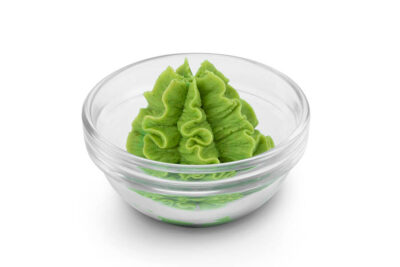
What is wasabi made from in Europe: It is mostly a mixture of horseradish, mustard, and coloring. It has a pungent and less complex flavor than the natural root.
Why is wasabi in sushi?
- acts as a natural antiseptic for raw fish;
- stimulates appetite and improves digestion;
- adds spiciness and freshness to the taste.
How to eat wasabi sushi properly
In traditional Japan, wasabi is placed directly on fish or inside a roll. Europeans often mix it with soy sauce. Both options are acceptable, but in Japanese culture, it is believed that pure wasabi preserves the authenticity of the taste better.
Interesting facts:
- Real wasabi root in Japan can cost over 200 euros per kilogram.
- The flavor of wasabi disappears 15–20 minutes after grinding, so it is always grated fresh.
- In ancient times, wasabi was even used to protect against microbes in water.
Ginger – balance and cleansing

Ginger is believed to be native to South Asia. In ancient India, it was called the “universal medicine.” Ginger was introduced to Japan around the 8th century, and has since become an integral part of the cuisine.
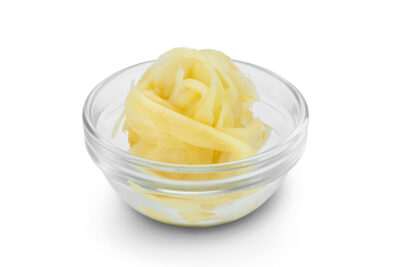
The pickled ginger (gari) we know today appeared in the Edo period (17th century). It was specifically served with sushi to “cleanse” the taste between different types of fish.
How ginger grows
It is a perennial plant with a large rhizome, which is used in cooking. Ginger likes warm and humid climates, so it is grown mainly in Asia. The roots are harvested after 8–10 months of growth.
What are the benefits of ginger?
- stimulates the work of the stomach and intestines;
- strengthens the immune system;
- has an antibacterial effect;
- helps with nausea and colds.
Why ginger in sushi?
Its main function is to cleanse the receptors between different types of sushi, so that each new piece is perceived as vividly as possible.
How to pickle ginger for sushi
The fresh root is cut into thin slices, covered in a mixture of rice vinegar, sugar, and salt, and left for several days. The result is a delicate, slightly sweet product that pairs well with fish.
Interesting facts:
- In Japan, there is even a tradition of serving different shades of pickled ginger – pink for holidays, white for everyday meals.
- It is believed that ginger not only cleanses the receptors, but also “protects” the body from possible bacteria in raw fish.
How to properly combine soy sauce, wasabi and ginger

To truly enjoy sushi, it is important to know the role of each seasoning:
- soy sauce – to enhance the taste of fish;
- wasabi – for spiciness and disinfection;
- ginger – to cleanse taste buds.
Typical errors:
- too much sauce (interrupts the taste of the fish);
- a combination of ginger and rolls in one piece;
- using excessive amounts of wasabi.
In Japan, the rules are clear: condiments are an accompaniment, not the main course. In Europe, people are used to mixing them more freely.
Sushi with the right sauces and seasonings

When ordering sushi, it’s important to be sure that the sauces and seasonings are natural and authentic. After all, they are what create the true taste of Japanese cuisine.
Roll Club offers sushi with fresh ingredients and the right toppings: sushi soy sauce, wasabi, and pickled ginger. Thanks to fast delivery, you get the dishes the way they should be served according to Japanese tradition.


Conclusion
Soy sauce, wasabi, and ginger are not just additions to sushi. They are a true culinary code of Japan, revealing the dish in a new way. Each of these ingredients has its own history, benefits, and cultural significance.
If you want to experience the authenticity of Japanese cuisine, try sushi in Wrocław from Roll Club – with fresh rolls and the right seasonings. It’s a harmony of taste, tradition and health benefits.