
- What Is Mochi
- What Flour Is Used to Make Mochi
- Classic Homemade Mochi Recipe
- How to Make Mochi at Home
- How to Prepare the Dough Without a Microwave
- Mochi Fillings — the Best Options
- Strawberry Mochi — a Simple Option
- Ice Cream Mochi — How to Make It at Home
- How to Shape a Mochi Dessert Properly
- Why Mochi Dough Is Too Sticky
- Why Mochi Tears
- Why Mochi Becomes Hard
- What to Serve with Mochi Dessert
Mochi recipes for home cooking are based on elastic rice dough made from special glutinous rice flour. Inside, you can add anko paste, cream, berries, chocolate, mango, or ice cream. Below, we will go through a basic recipe for 8–10 small pieces, ways to prepare the dough, and fillings that are convenient to work with at home.


What Is Mochi

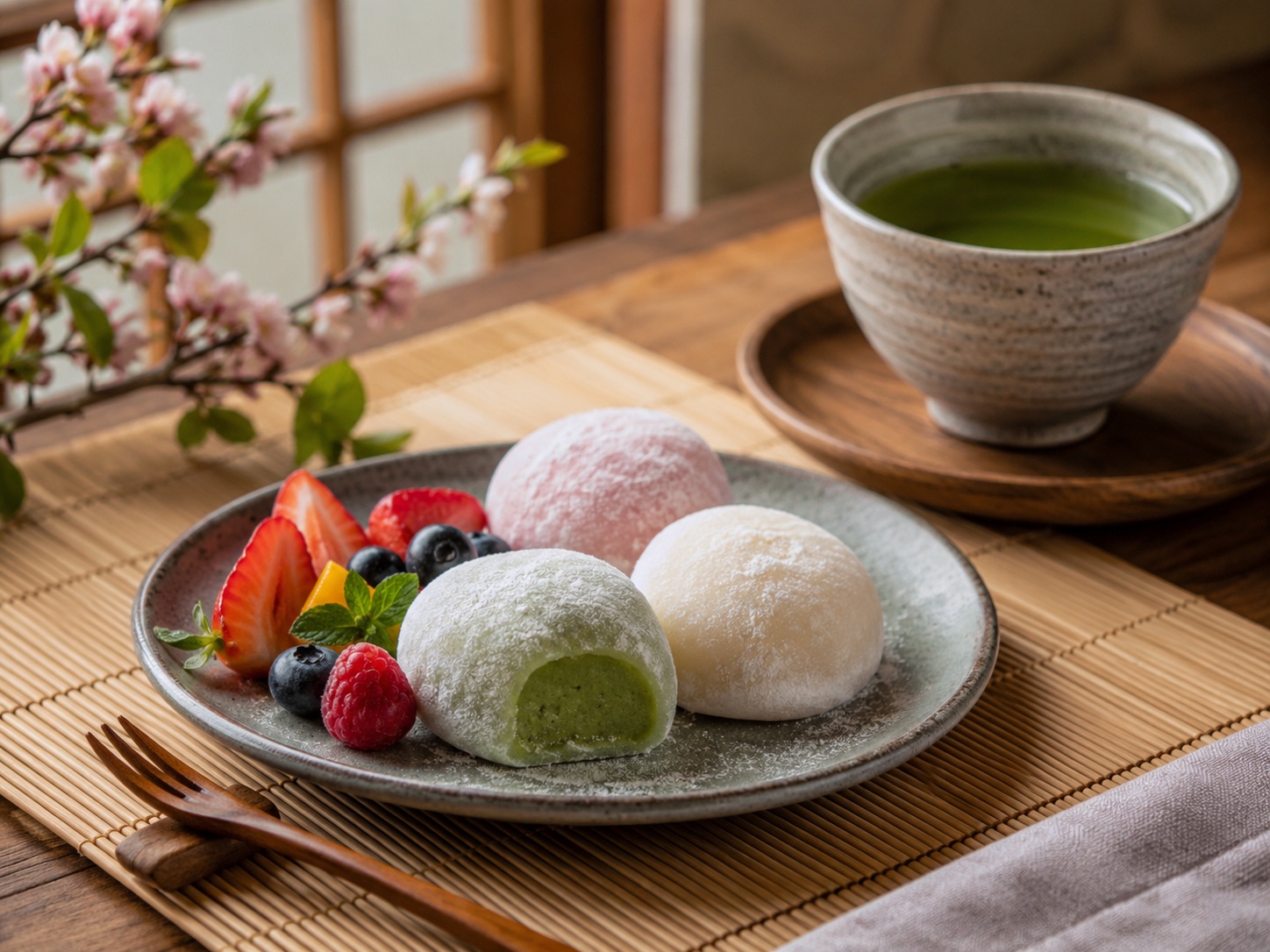
Mochi are Japanese products made from glutinous rice or rice dough. The term itself covers different types of dishes, so mochi does not necessarily have to be sweet and does not always contain a filling.
A sweet version with a filling is often called daifuku. The mochi dessert with buttercream, fruit, berries, or chocolate commonly found in European cafés can be considered a modern interpretation of this format.
A separate category is mochi with ice cream inside. It appeared much later, so calling it an ancient traditional Japanese recipe would be incorrect.
What Flour Is Used to Make Mochi
For a homemade recipe, you need glutinous rice flour. Look for mochiko, shiratamako, or a product labeled glutinous rice flour or sweet rice flour that is suitable for making this type of dough.
Regular rice flour has different properties. After heating, it does not produce the same stretchy and flexible texture, so it is difficult to fully replace glutinous rice flour with ordinary rice flour.
The word glutinous in the name describes the sticky properties of the rice, not the presence of gluten. Wheat flour should also not be used instead of the main amount of rice flour, as the texture of the finished dessert will be completely different.
Classic Homemade Mochi Recipe

For 8–10 small pieces, you will need:
- glutinous rice flour — 100 g;
- water — about 150 ml;
- sugar — 40–60 g;
- cornstarch or potato starch — for the work surface;
- optional — a little matcha or food coloring.
The amount of water may vary slightly depending on the specific flour. Before heating, the mixture should be smooth and free of dry lumps.
Do not immediately add more water if the mixture seems thick. It is better to add the liquid in small portions so that the dough does not become too runny and difficult to work with.
How to Make Mochi at Home
One of the most convenient preparation methods is using a microwave. The exact cooking time depends on the power of the appliance and the volume of the mixture, so you should primarily focus on the condition of the dough.
- Mix the glutinous rice flour with the sugar.
- Gradually pour in the water and mix thoroughly until smooth.
- Cover the container, leaving an opening for steam to escape.
- Heat the mixture in short intervals of approximately 30–60 seconds.
- Mix well after each heating interval. The mixture will gradually become thick, sticky, and semi-translucent.
- Generously dust the work surface with starch and transfer the prepared dough onto it.
- Let it cool slightly so that it is safe to work with.
- Divide the dough into 8–10 portions.
- Gently flatten each piece into a small circle.
- Place the cold filling in the center, lift the edges, and seal them well.
To understand how to make mochi with the right consistency, do not rely only on time. Undercooked dough remains cloudy and less flexible, while overdried dough tears more easily during shaping.
How to Prepare the Dough Without a Microwave

A microwave is not required. The rice mixture can be cooked in a water bath, steamed, or prepared in a saucepan over low heat.
When using a saucepan, the mixture should be stirred constantly, especially once it begins to thicken. The goal remains the same: to heat the starchy mixture evenly until it becomes thick, sticky, and elastic.
After cooking, transfer it to a surface dusted with starch, allow it to cool slightly, and shape it in the same way as microwave-prepared dough.
Mochi Fillings — the Best Options
Suitable mochi fillings should be thick enough and cold. Runny fruit purée, warm cream, or very juicy berries are difficult to seal inside the wrapper: the dough may come apart at the seam or tear.
Classic Anko Paste
Anko is made from red adzuki beans and sugar. It is one of the traditional fillings for daifuku.
Before shaping, it is better to chill the paste and divide it into small portions.
Strawberry and Cream
A small whole strawberry can be combined with thick buttercream or cream cheese. After washing, the berry should be dried very thoroughly.
Excess moisture makes it more difficult to shape the wrapper and may weaken the sealed edges.
Mango
Small pieces of ripe mango, thick mango purée, or cream with a buttery base work well as a fruit filling.
Very runny purée is better not used on its own. It can be added to a thicker cream.
Chocolate
For a chocolate version, chilled ganache or thick chocolate cream works well. It is convenient to divide the filling into small portions in advance and chill them.
Cream Cheese
Cream cheese can be mixed with a small amount of powdered sugar. Berries, mango, or a little thick fruit purée pair well with it.
Matcha
Matcha can be added directly to the cream or used to add flavor and color to the rice dough itself. The amount of powder can be adjusted to taste.
Coconut
For a coconut version, use thick coconut cream or a filling made with shredded coconut. It should also be chilled before shaping.
Strawberry Mochi — a Simple Option

For the filling, you will need small strawberries, cream cheese, and powdered sugar.
Wash the berries and dry them thoroughly with a paper towel. Mix the cream cheese with a small amount of powdered sugar, then form a thin layer of cream around each berry.
Chill the prepared fillings. Then place each one in the center of the rice dough and seal the edges.
Do not try to put an overly large berry with a thick layer of cream inside. The more you have to stretch the wrapper, the greater the risk that it will tear.
Ice Cream Mochi — How to Make It at Home
Ice cream mochi differs from regular daifuku because it contains a frozen filling. Here, it is especially important to organize the process properly because ice cream melts quickly.
- Shape small scoops of ice cream in advance.
- Place them in the freezer and freeze thoroughly.
- Prepare the rice dough.
- Divide it into small sheets and allow them to cool completely.
- Take out one scoop of ice cream at a time.
- Quickly wrap it in the dough and seal the edges tightly.
- Immediately return the finished piece to the freezer.
Do not place all the ice cream on the table at once. While you are shaping the first mochi, the other portions will begin to melt.
Before serving, frozen mochi dessert can be left at room temperature for a few minutes. The wrapper will soften slightly while the filling remains cold.
How to Shape a Mochi Dessert Properly
The work surface should be well dusted with starch. You can also apply a thin layer to your hands so that the sticky dough does not cling to your fingers.
At the same time, there should not be too much starch inside the product. If the edges are heavily coated with it, they will not seal as well.
Do not make the wrapper too thin, especially in the center. It is better to chill the filling beforehand, then gather the edges of the dough at one point and gently pinch them closed.
Excess starch can be carefully shaken off the finished piece. There is no need to actively knead hot dough with your hands — let it cool slightly first.
Why Mochi Dough Is Too Sticky
Stickiness is a normal property of this type of rice dough. It becomes a problem when the mixture is so runny or sticky that it cannot be divided and shaped.
The cause may be too much water, insufficient heating, dough that is still too hot, or too little starch on the work surface.
If the mixture has not yet reached the required texture, it can be heated additionally in short intervals. Do not try to correct the consistency by adding a large amount of regular flour, as this will change the texture of the finished product.
Why Mochi Tears
One of the most common reasons is a wrapper that is too thin. Leave the dough slightly thicker in the center and do not stretch it until transparent.
Another reason is too much filling. If you have to pull the edges too tightly, reduce the amount of cream, berries, or fruit.
Runny filling is better chilled beforehand or made thicker. Dried-out dough also loses flexibility, so it should not be left uncovered for a long time after preparation.
If the edges do not stick together, check the amount of starch. Excess starch at the seam can be carefully removed.
Why Mochi Becomes Hard
Rice dough gradually changes its structure and can become denser. This is especially noticeable with prolonged or improper storage.
Homemade mochi desserts have the most pleasant texture when fresh, so it is better to prepare small portions. You should not expect the wrapper to remain equally soft for several days.
What to Serve with Mochi Dessert


Mochi pairs well with green tea, matcha, and coffee. Fresh berries, pieces of fruit, or a small amount of sauce can be added to versions with creamy or fruit fillings.
This dessert can also be included in an Asian-style dinner at home. For example, at Roll Club you can order sushi or choose sushi sets for the main part of the meal, while preparing desserts such as mochi yourself and serving them with tea or coffee.
Basic mochi recipes can easily be adapted to different tastes. The main principle remains the same: glutinous rice flour, properly heated elastic dough, and a cold, thick filling. Inside, you can add anko, strawberries, mango, chocolate, buttercream, or ice cream.
Order your favorite rolls
-
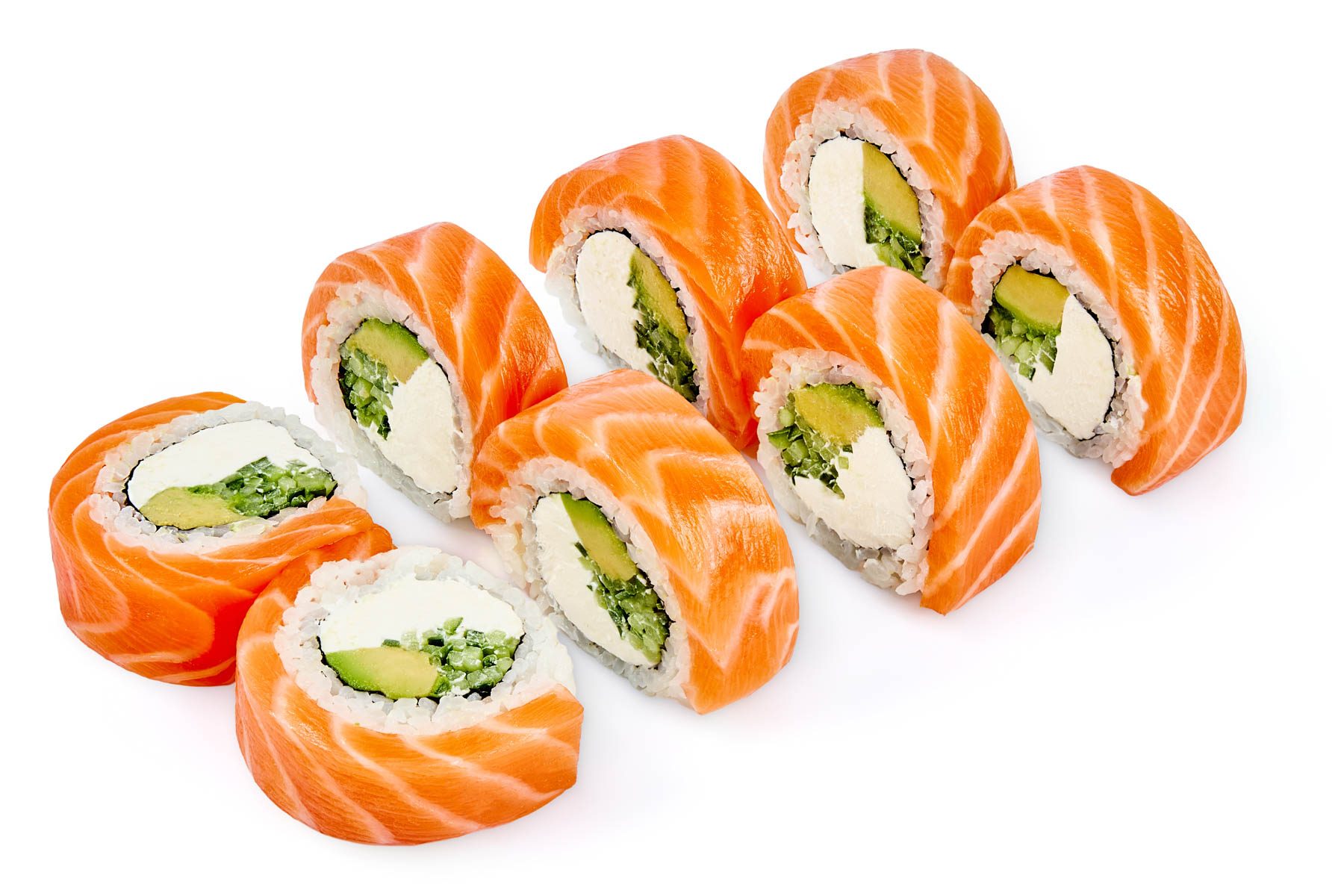
 OriginalMega PhiladelphiaIngredients: salmon, avocado, cucumber, cream cheese Philadelphia, rice, nori. Amount per serving: 8 pcs Weight: 425 g79 zł 8 pc | 425 gOrder
 -
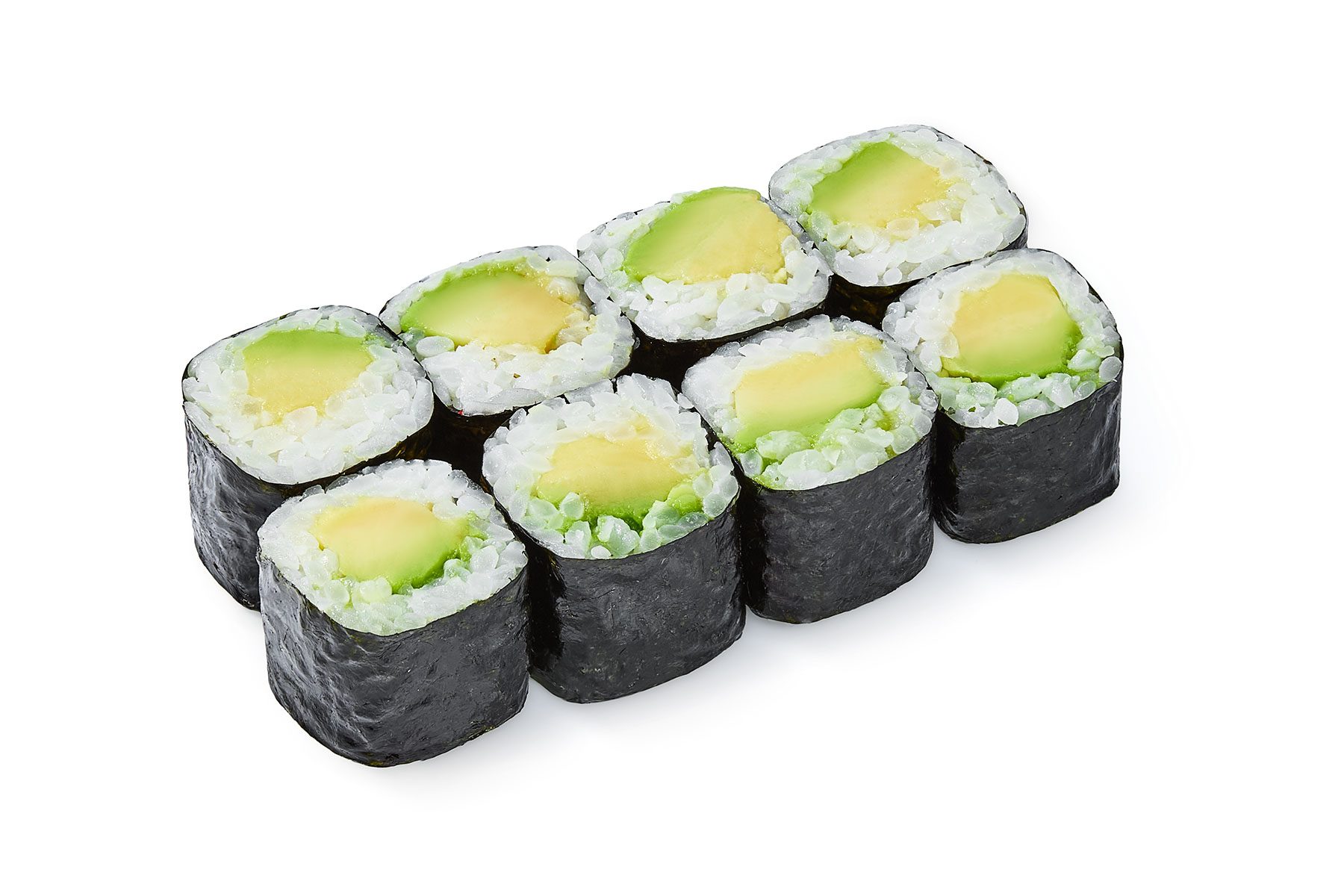
Maki with avocadoIngredients: avocado, rice, nori. Amount per serving: 8 pcs Weight: 115 g14 zł 8 pc | 115 gOrder
-
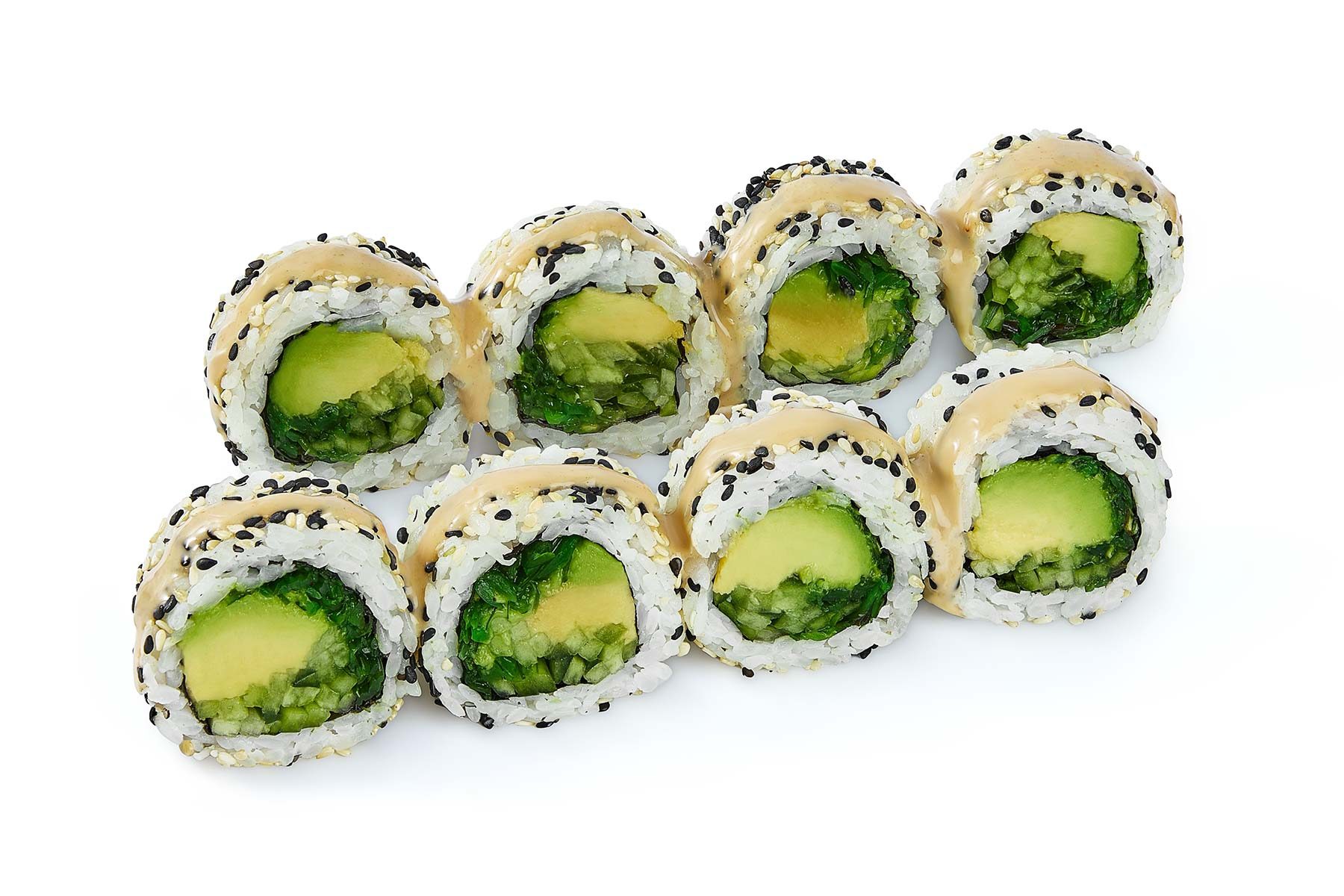
Green GardenIngredients: avocado, cucumber, chuka seaweed, peanut sauce, sesame, rice, nori. Amount per serving: 8 pcs Weight: 210 g19 zł 8 pc | 210 gOrder
-
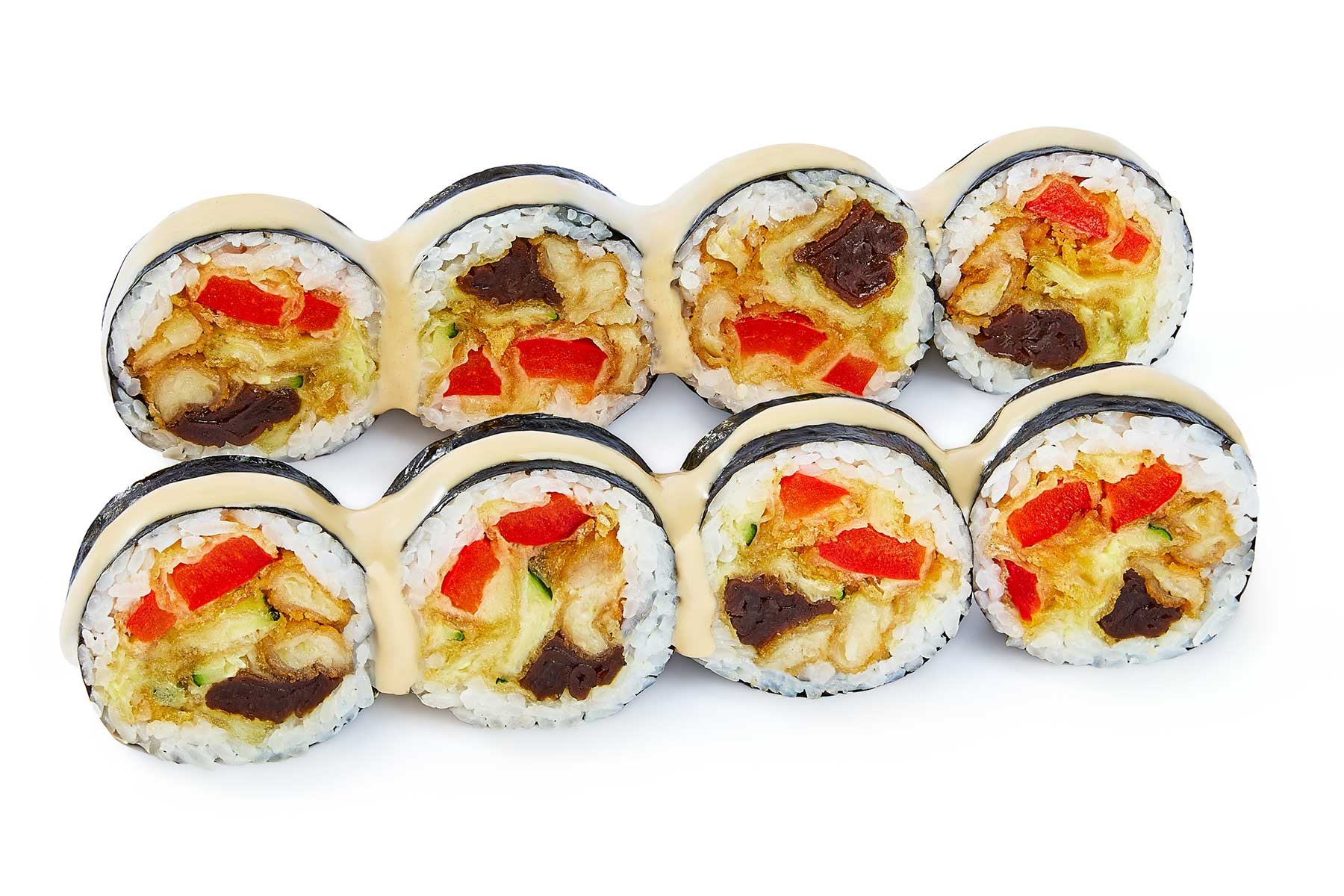
Vega CrunchIngredients: tempura vegetables (paprika, onion, zucchini, tempura batter), kampyo, takuan, peanut sauce, rice, nori. Amount per serving: 8 pcs Weight: 300 g22 zł 8 pc | 300 gOrder